Vacant Properties
Daily patrols, camera towers and lawful trespass enforcement for vacant buildings and land — keeping squatters, encampments and copper thieves out before they get established.
Stop it before it starts.
Doors, windows and fences.
Coverage without power.
Trespass authorizations kept current.
Quick answer
The key is speed: daily checks and monitored cameras catch entry before occupants become established. California Penal Code §602(o) makes it a misdemeanor to refuse to leave closed property when asked, and owners can file a notarized request with police — valid up to 12 months — authorizing removal of trespassers from posted, closed property. Some cities add rules: Los Angeles requires certain vacant structure owners to file a maintenance and security plan with LADBS.
The challenge
A few days unchecked can mean squatters, fire or stripped copper.
Hard to remove once established.
Unauthorized occupants and abatement orders.
Value destroyed before sale or redevelopment.
Coverage options
Combine services into one program.
Our standards
The same standard on every shift.
Duties and escalation contacts approved by you.
Timestamped photos and notes.
Unannounced visits.
Guard Card and background check.
Before you hire
Here is how we answer.
| Ask the vendor | Safeguard On Demand |
|---|---|
| How often will you check the property? | Daily or more, as your proposal sets. |
| Can you help keep trespass authorizations current? | We track renewal dates and posting. |
| Do towers work without power? | Yes. |
| Will you document conditions? | Yes — photos every visit. |
| Can you cover land as well as buildings? | Yes. |
| Is there a long-term contract? | No long-term contract. |
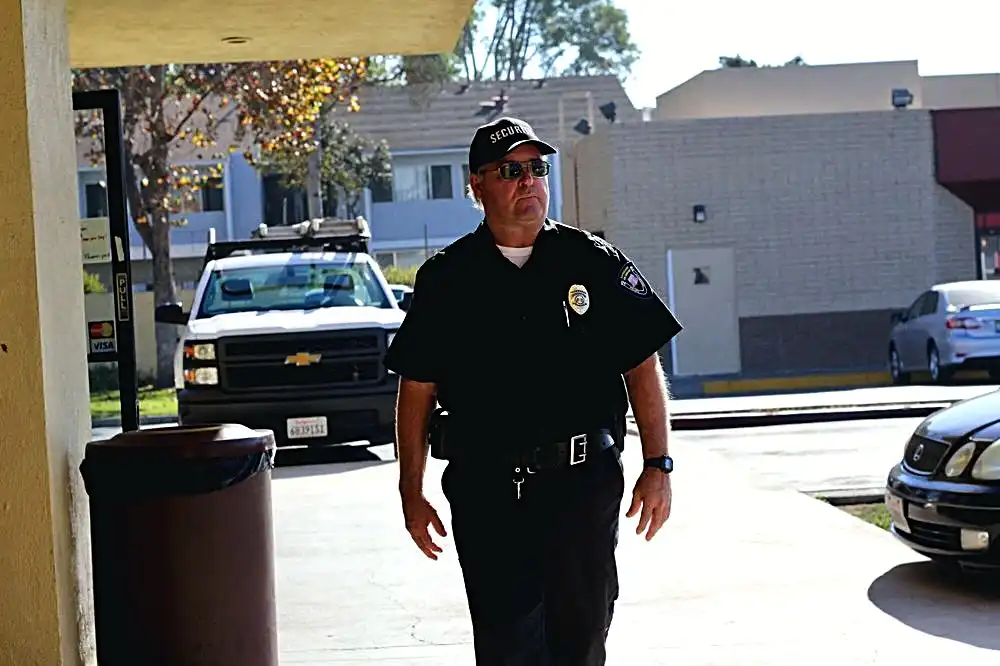
Who we protect
Statewide
Served from the office nearest your site, with officers across 13 California counties.
How it works
A short, documented process.
01
Property, hours and incident history reviewed.
02
Duties and contacts written and approved.
03
Officers learn the site before day one.
04
Shift reports and regular check-ins.
Choosing coverage
Most vacant properties are protected by daily patrols and camera towers with live monitoring. Add fire watch if fire systems are impaired.
California requirements
Penal Code §602(o) makes it a misdemeanor to refuse to leave property closed to the public after being asked by the owner, the owner’s agent or a peace officer. Owners can file a notarized request on the police agency’s form, valid up to 12 months, if the property is closed and posted; it ends when the property is sold or possession changes. In Los Angeles, owners of vacant structures under a nuisance-abatement order must file a Statement of Intent with a maintenance and security plan with LADBS.
Every officer must hold a BSIS Guard Card and work for a licensed private patrol operator — 8 hours of Power to Arrest and Appropriate Use of Force training before registration, 32 more hours within six months, and 8 hours of continuing training every year. Verify any company or officer on the state’s DCA License Search.
Budgeting
We do not publish one-size rates. These factors move the price.
24/7, nights only or business hours.
Armed posts cost more.
Patrols cost less than full-time posts.
Acreage, buildings and entrances.
Site history and neighborhood.
Short-term vs. ongoing.
Post the property and file a notarized trespass authorization with police under Penal Code §602(o).
Up to 12 months, or until the property is sold or possession changes.
At least daily.
Across 13 California counties from offices in Santa Ana, Los Angeles (Northridge), San Diego, the Inland Empire, Sacramento and Silicon Valley.