
Transit Security Officers
Transit Security Officers in California
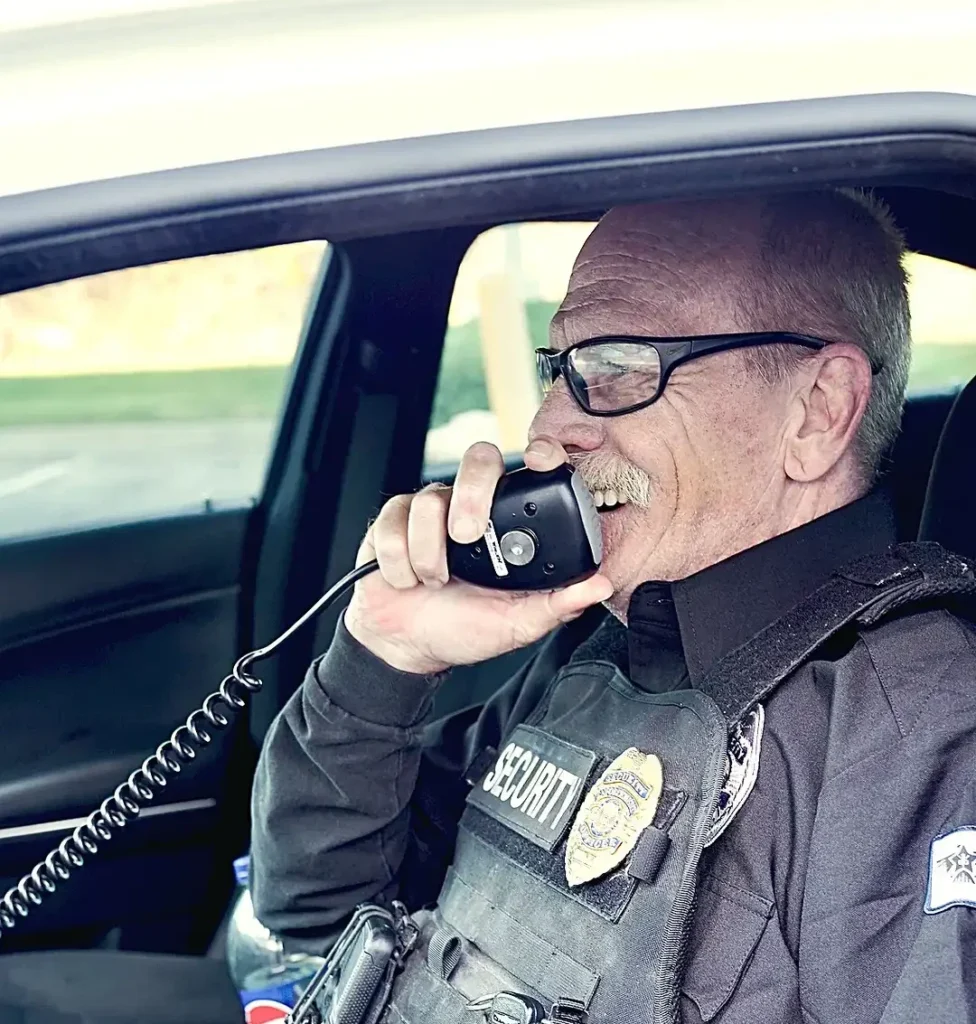
Visible, rider-friendly officers for stations, transit centers, maintenance yards and park-and-rides — supporting transit agencies with presence, assistance and documentation.
- Licensed & insured
- 24/7 dispatch
- No long-term contract
- Se habla español
Rider-friendly presence
Help first, enforce second.
Stations & yards
Public areas and facilities.
De-escalation
Calm handling of conflicts.
Documentation
Reports for agency review.
Quick answer
What do transit security officers do?
Contract transit security officers provide visible presence at stations and transit centers, assist riders, deter vandalism and disorder, protect maintenance yards and park-and-ride lots, and document incidents for the agency. California transit agencies may adopt ordinances with administrative penalties for fare evasion and passenger misconduct, enforced by persons the agency authorizes (Public Utilities Code §99580). Sworn transit police are a separate role.
Key facts
- Visible presence at stations and centers
- Rider assistance and de-escalation
- Yard and park-and-ride protection
- Agencies may authorize fare-ordinance enforcement (PUC §99580)
- Sworn police are a separate role
The challenge
Public spaces, public expectations
Transit agencies balance rider safety, public perception and tight conduct rules.
Rider safety perception
Riders judge safety by what they see at stations.
Homelessness and disorder
Stations need humane, consistent responses.
Public procurement
Prevailing-wage and insurance terms.
Coverage options
Transit security services
Combine services into one program.
Our standards
What every transit post includes
The same standard on every shift.
Written post orders
Duties and escalation contacts approved by you.
Hourly photo reports
Timestamped photos and notes.
Supervisor field checks
Unannounced visits.
BSIS-licensed officers
Guard Card and background check.
Before you hire
Questions to ask a transit security company
Here is how we answer.
| Ask the vendor | Safeguard On Demand |
|---|---|
| Can your officers enforce fare ordinances? | Only where the agency authorizes them under its ordinance. |
| Are officers trained in de-escalation? | Yes. |
| Can you protect yards and park-and-rides? | Yes. |
| Do you respond to public RFPs? | Yes. |
| Can you staff special events? | Yes. |
| Is there a long-term contract? | No long-term contract. |
Who we protect
Transit facilities we protect
Statewide
Transit security across California
Served from the office nearest your site, with officers across 13 California counties.
How it works
How transit security starts
A short, documented process.
01
Site review
Property, hours and incident history reviewed.
02
Post orders
Duties and contacts written and approved.
03
Officer orientation
Officers learn the site before day one.
04
Reports & review
Shift reports and regular check-ins.
Choosing coverage
Fixed posts or roving officers?
Major stations usually need fixed-post officers; smaller stops and park-and-rides are covered by roving patrols and monitoring. See government facility security.
California requirements
California transit rules
Public Utilities Code §99580 allows transit agencies to adopt ordinances imposing administrative penalties for fare evasion and passenger misconduct, with penalties capped at $125 for a first or second violation and $200 after, and notices issued by persons the agency authorizes. Sworn transit police are a separate category of peace officers. Agency employees are also covered by SB 553 (Labor Code 6401.9) workplace violence rules where applicable.
Every officer must hold a BSIS Guard Card and work for a licensed private patrol operator — 8 hours of Power to Arrest and Appropriate Use of Force training before registration, 32 more hours within six months, and 8 hours of continuing training every year. Verify any company or officer on the state’s DCA License Search.
Security checklist
- Post orders approved by agency
- Fare-ordinance authority defined
- De-escalation procedure
- Yard and lot patrols
- Incident reporting
- Procurement terms met
Budgeting
What affects the cost of transit security
We do not publish one-size rates. These factors move the price.
Hours of coverage
24/7, nights only or business hours.
Armed vs. unarmed
Armed posts cost more.
Guard vs. patrol
Patrols cost less than full-time posts.
Site size
Acreage, buildings and entrances.
Location and risk
Site history and neighborhood.
Contract length
Short-term vs. ongoing.
Transit security FAQs
Only where the agency authorizes them under its fare ordinance (PUC §99580).
No — sworn transit police are a separate role.
Across 13 California counties from offices in Santa Ana, Los Angeles (Northridge), San Diego, the Inland Empire, Sacramento and Silicon Valley.
Where we provide this coverage
Posts are staffed from the nearest of our six California offices — same day in most areas. Free assessment: (800) 640-2327.