Mobile Surveillance Units
Mobile Surveillance Units & Solar Camera Towers in California
Solar-powered camera towers and trailers with live operators behind them — deployed where you have no cameras, no power or no guard, with voice-down warnings and patrol response.
- Solar & battery powered
- Live monitored
- Voice-down + patrol
- No long-term contract
Off-grid
Solar and battery power — no hookups.
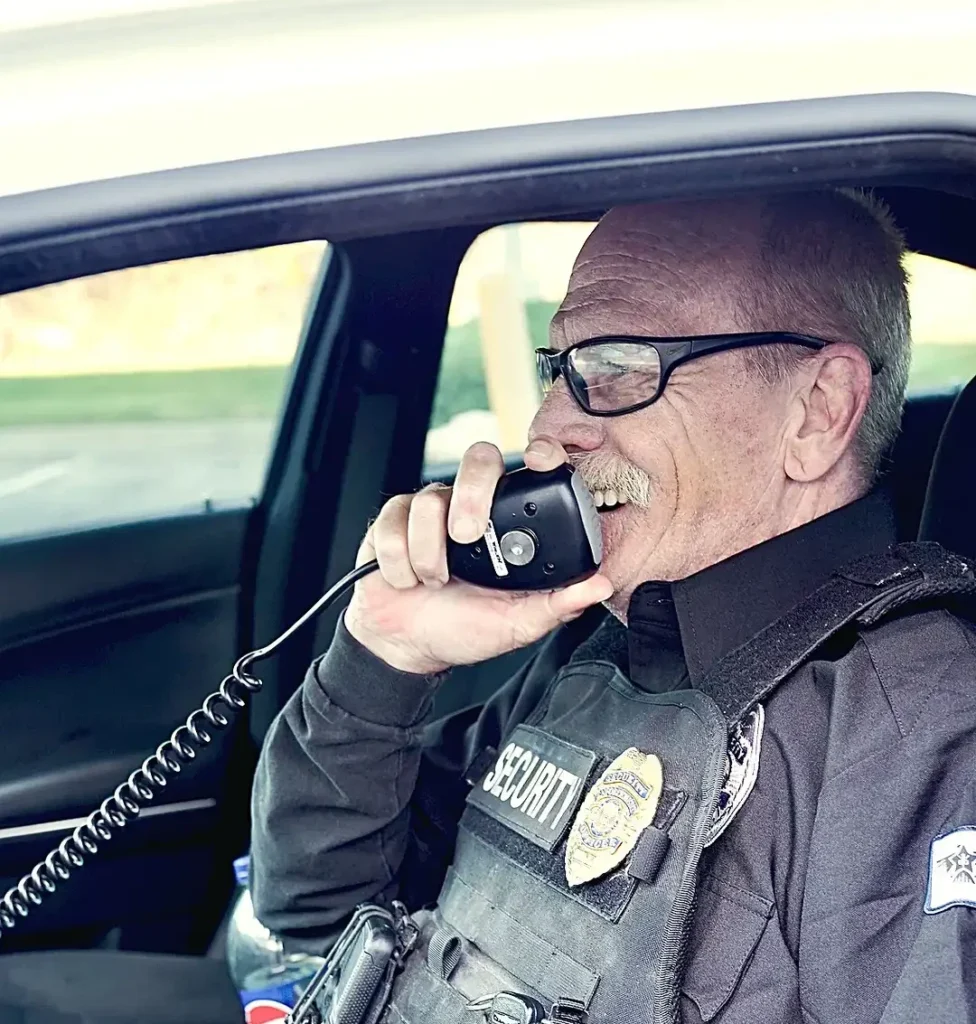
Live operators
Alerts verified by a person, not an email.
Voice-down
Intruders warned in real time.
Patrol response
Our units or police dispatched.
Quick answer
What is a mobile surveillance unit?
A mobile surveillance unit is a trailer- or tower-mounted camera system, usually solar powered with its own batteries and cellular connection, placed on a site without permanent cameras or power. Safeguard On Demand puts trained operators behind each unit: alerts are verified on live video, intruders are warned through the tower loudspeaker, and if they stay, a patrol officer or police are dispatched.
Key facts
- Solar and battery powered, cellular connected
- Deploys without power or network hookups
- Live operator verification and voice-down
- Patrol or police dispatch
- Ideal for construction, lots and vacant property
The problem
Some sites cannot have permanent cameras
Construction sites, open lots and vacant properties need protection but have no power, no network and no budget for a guard every night.
No power or network
Temporary sites cannot run wired camera systems.
Guards everywhere are costly
Large open sites would need several guards to cover every angle.
Recordings do not stop theft
Unmonitored cameras only show what was taken.
Deployment options
Mobile surveillance services
Units, monitoring and response.
Our standards
What every deployment includes
Monitoring is only as good as the response.
Response plan
When to voice-down, dispatch and call police — in writing.
Trained operators
Operators who verify, document and escalate.
Incident clips
Time-stamped incident records with video.
Unit checks
Power and camera health monitored.
Before you rent
Questions to ask about camera towers
Here is how we answer.
| Ask the vendor | Safeguard On Demand |
|---|---|
| Who watches the cameras? | Trained operators review alerts and live video. |
| What happens when someone is detected? | A voice-down warning, then patrol or police dispatch if they stay. |
| Do units need power or internet? | No — solar, battery and cellular. |
| How fast can a unit be deployed? | Typically within days, depending on availability and site access. |
| Will I get video of incidents? | Yes — incident records with clips for police and insurers. |
| Is there a long-term contract? | No long-term contract. |
Where units work best
Sites that use mobile surveillance
Open, temporary or hard-to-staff sites.
Statewide
Mobile surveillance across California
Served from the office nearest your site, with officers across 13 California counties.
How it works
How a deployment works
From site walk to live monitoring.
01
Site review
Coverage areas, sightlines and access.
02
Placement plan
Tower locations and camera angles.
03
Deploy & test
Unit placed, connected and alerts tested.
04
Monitor & respond
Live monitoring, voice-down and dispatch.
Choosing coverage
Camera tower, guard or both?
A mobile surveillance unit is the most cost-effective way to watch large, open or temporary sites overnight. A standing guard is better where someone must check people and deliveries; many sites use a guard during the day and towers at night.
For sites with existing cameras, remote video monitoring can use your system instead. Towers pair well with mobile patrol for response and fire watch on construction sites.
California considerations
What California site owners should know
California Penal Code §632 prohibits recording confidential conversations without the consent of all parties, so our towers use audio for live voice-down warnings rather than recording private conversations, and cameras are aimed at areas with no expectation of privacy. Posted signage is recommended.
Where officers respond on site, they must hold BSIS Guard Cards and work for a licensed private patrol operator. Verify any company or officer on the state’s DCA License Search.
Before deployment
- Placement and access confirmed
- Coverage zones agreed
- Escalation contacts set
- Signage posted
- Monitoring hours agreed
- Response plan in writing
Budgeting
What affects the cost of mobile surveillance
Priced to units and monitoring.
Number of units
One tower or several.
Monitoring hours
Overnight, weekends or 24/7.
Deployment length
Weeks or months.
Patrol response
Including on-site response.
Delivery & setup
Site access and placement.
Location
Distance from our offices.
Mobile surveillance unit FAQs
A solar-powered camera tower or trailer with its own batteries and cellular link, placed on sites without permanent cameras or power.
Yes. Operators verify alerts on live video, issue voice-down warnings and dispatch patrol or police.
No — they run on solar and battery power.
From short-term deployments to months-long projects.
Yes — they are one of the most cost-effective ways to protect open job sites overnight.
Across 13 California counties from offices in Santa Ana, Los Angeles (Northridge), San Diego, the Inland Empire, Sacramento and Silicon Valley.
Industries we protect with mobile surveillance units
Available from all six California offices
Coverage spans 14 county hubs — find yours on the service areas map, or call (800) 640-2327 for a free assessment, 24/7.