
Parking Lot & Garage Security
Parking Lot & Garage Security in California
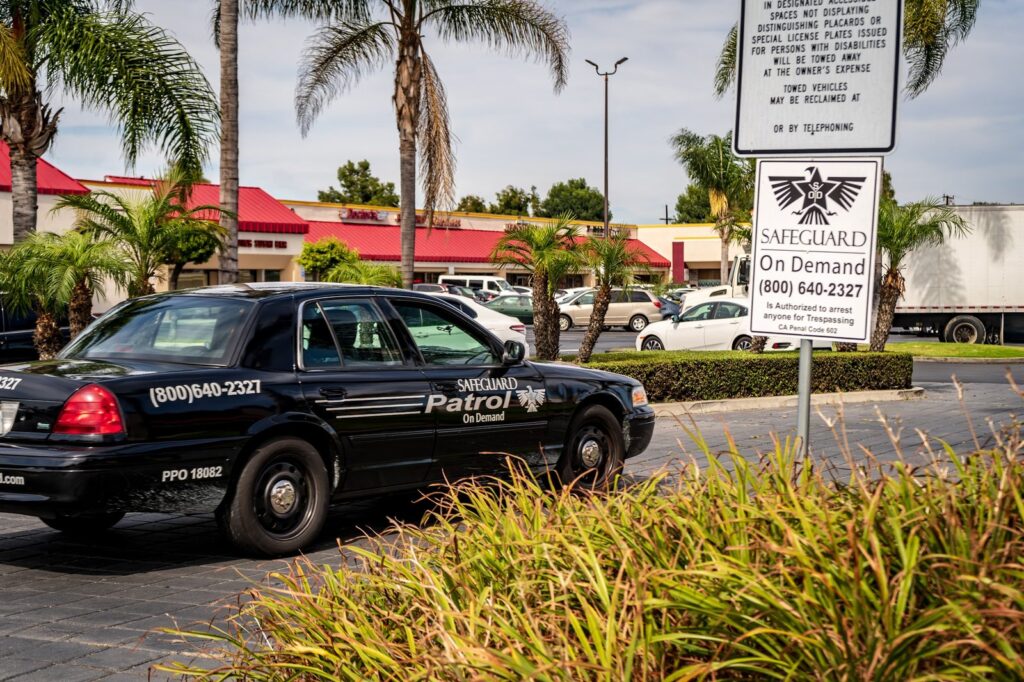
Marked patrols, on-site officers, parking enforcement and monitored cameras that cut vehicle break-ins, catalytic-converter theft and loitering in lots and structures.
- Licensed & insured
- 24/7 dispatch
- No long-term contract
- Se habla español
Vehicle crime focus
Patrol routes built around where break-ins actually happen.
Parking enforcement
Permit checks, warnings and tows under your rules.
Escort services
Officers escort staff and residents to vehicles on request.
Photo-verified patrols
Timestamped photos and GPS check-ins every visit.
Quick answer
What does parking lot and garage security include?
Parking lot and garage security uses marked vehicle patrols, on-site officers, parking enforcement and monitored cameras to deter vehicle break-ins, catalytic-converter theft, vandalism and loitering. Officers check stairwells, elevators and dark corners, enforce your parking rules, and escort people to their cars. Safeguard On Demand protects parking areas for apartments, HOAs, offices, retail centers and hospitals across California.
Key facts
- Common risks: break-ins, converter theft, loitering
- Randomized patrols with GPS and photo check-ins
- Parking enforcement with resident safelist
- Escorts to vehicles on request
- Patrols, guards and cameras can be combined
The problem
Why parking areas attract crime
Parking lots and structures are open, poorly watched and full of valuables — especially after hours.
Vehicle break-ins and theft
Smash-and-grab break-ins, catalytic-converter cuts and stolen vehicles are concentrated in lots and garages with no visible security.
Loitering and encampments
Stairwells, upper decks and dark corners draw loitering, drug activity and people sleeping in vehicles.
Unauthorized parking
Non-residents and non-customers take spaces, block access and create disputes your staff should not have to handle.
Coverage options
Parking security built around your property
Choose the mix that fits your hours, layout and budget.
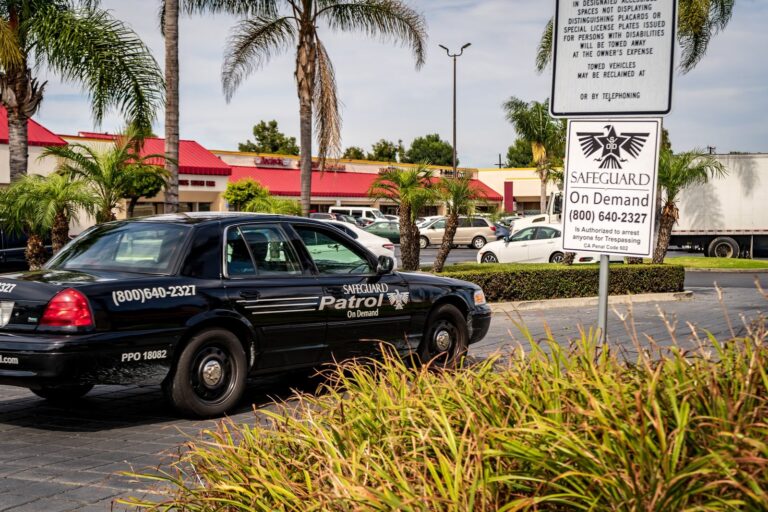
Marked vehicle patrol
Randomized visits through the night, with lot sweeps, deck checks and lock-ups.
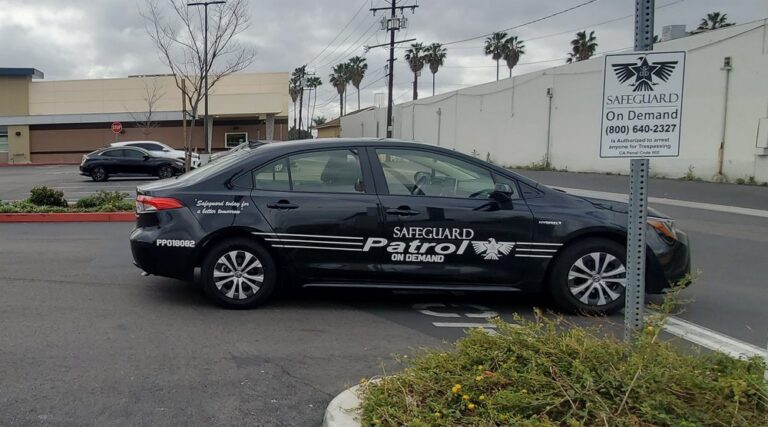
On-site officers
Officers on foot, bike or golf cart for large lots, garages and busy hours.
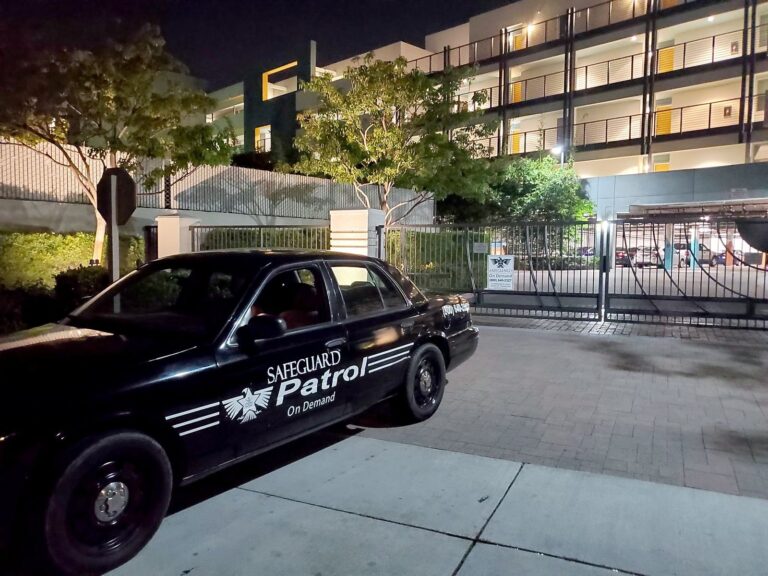
Parking enforcement
Permit and safelist checks, warnings and tows under rules you approve.
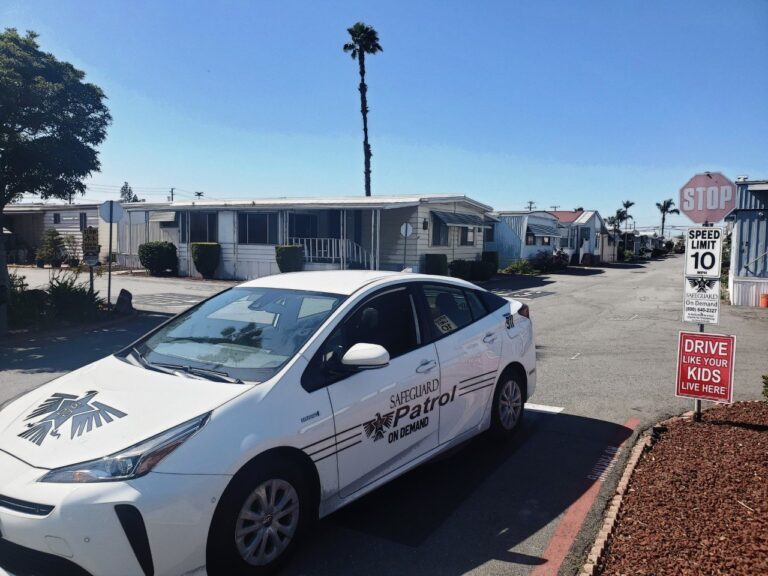
Remote monitoring
Live operators watch lot cameras and dispatch a patrol when needed.
Our standards
What every parking security program includes
Clear rules, visible officers and records you can show residents, tenants or customers.
Written post orders
Enforcement rules, tow procedures and escalation contacts approved by you.
GPS-verified patrols
Every visit logged with location and time.
Timestamped photos
Photos of decks, stairwells, gates and incidents.
BSIS-licensed officers
Guard card, background check and training before assignment.
Before you sign
Questions to ask a parking security company
Here is how we answer.
| Ask the vendor | Safeguard On Demand |
|---|---|
| How do you decide patrol routes and times? | From your incident history and site walk; visits are randomized so they cannot be predicted. |
| Can you enforce our parking rules and tow? | Yes, following written rules you approve and California towing requirements for private property. |
| Do residents or tenants have a way to register guests? | Yes. Our online safelist lets residents register guest vehicles so officers can verify them. |
| Will officers check stairwells and upper decks? | Yes — every patrol includes stairwells, elevators, corners and roof levels where applicable. |
| How are incidents reported? | Incident reports with photos the same day; daily activity summaries on request. |
| Is there a long-term contract? | No long-term contract; patrol frequency can change with notice. |
Properties we protect
Parking security for every property type
From surface lots to multi-level structures.
Statewide
Parking lot and garage security across California
Served from the office nearest your site, with officers across 13 California counties.
How it works
How parking security comes together
Simple to start and easy to adjust.
01
Site walk
We review lighting, entrances, decks, stairwells and incident history.
02
Rules & post orders
Enforcement rules, tow procedures and patrol plans written and approved.
03
Patrols start
Officers or patrol units begin randomized visits and enforcement.
04
Reports & review
Activity and incident reports, with routes adjusted to trends.
Choosing coverage
Patrol, on-site officer or cameras?
For most surface lots, marked vehicle patrol several times a night is the most cost-effective deterrent. Large garages and busy properties often need an on-site officer on foot, bike or golf cart during peak hours, especially where staff or residents walk to their cars late at night.
If unauthorized parking is the main problem, parking enforcement with an online guest safelist gives you a lawful, documented process. For overnight coverage of large lots, remote video monitoring can watch every camera and dispatch a patrol only when something is happening. Our guide on ways to make your parking lot safer covers lighting and design changes too.
California considerations
Parking rules California property owners should know
Towing from private property in California is governed by California Vehicle Code 22658, which sets signage and authorization requirements for property owners. Enforcement should follow written rules approved by the owner or association, applied consistently, with a record of every warning and tow.
Security officers patrolling your lot must hold BSIS Guard Cards and work for a licensed private patrol operator. You can verify both on the state’s DCA License Search.
Employers in California also need a written Workplace Violence Prevention Plan under SB 553; parking areas where employees walk to their cars are often part of the hazard assessment.
Parking security checklist
- Lighting covers every row and stairwell
- Tow-away signage meets CVC 22658
- Written parking rules approved
- Guest registration process in place
- Cameras cover entrances and exits
- Escort procedure for late-shift staff
Budgeting
What affects the cost of parking security
Priced to your property, hours and enforcement needs.
Hours and frequency
Number of patrol visits per night, or hours of on-site coverage.
Lot vs. structure
Multi-level garages take longer to patrol than surface lots.
Enforcement volume
Permit checks, warnings and tow coordination.
Escort requests
On-call escorts for staff and residents.
Camera monitoring
Adding live monitoring for overnight coverage.
Number of properties
Multi-property patrol routes share cost.
Parking lot & garage security FAQs
Visible, unpredictable patrols, good lighting, cameras with live monitoring, and quick reporting of suspicious activity. We start by reviewing where and when incidents happen.
Our officers enforce your written rules and coordinate tows with your towing company, following California Vehicle Code requirements for private property.
Yes. Patrols include stairwells, elevators, upper decks and roof levels.
Yes. On-site officers can escort staff, residents or customers to their cars on request.
Patrol frequency is set in your proposal — typically several randomized visits a night — and can change with notice.
Thirteen counties, served from offices in Santa Ana, Los Angeles (Northridge), San Diego, the Inland Empire, Sacramento and Silicon Valley.
Where we provide this coverage
Posts are staffed from the nearest of our six California offices — same day in most areas. Free assessment: (800) 640-2327.