
Coachella Valley event security: the short version
Coachella Valley event security is a question we help California property owners and managers answer every week. The guide below covers what it involves, when it makes sense and how to get it right, with input from our licensed security guard services team. Dispatch is live 24/7 at (800) 640-2327.
Quick answer: festival-season security in the Coachella Valley is a staffing math problem — guest screening, crowd flow, parking, VIP and overnight asset watch all peak in the same eight weekends. Venues that lock in licensed staffing by January get the A-roster; everyone else pays rush rates. We staff it every year from our Inland Empire office in Corona.
The festival-season surge
From spring festival weekends around Indio to resort buyouts in Palm Desert and La Quinta, the valley’s event calendar compresses a year of demand into a season. Every licensed company in Southern California fishes the same officer pool, which is why the operative question isn’t “can you staff it” but “who exactly shows up” — and whether they’ve worked a festival crowd before.
The five posts every valley event needs
1. Screening and ingress
Bag checks, wanding and guest-list control set the tone in the first ten minutes. Officers trained in high-volume, hospitality-grade screening keep lines moving without going soft on the checks.
2. Crowd management inside
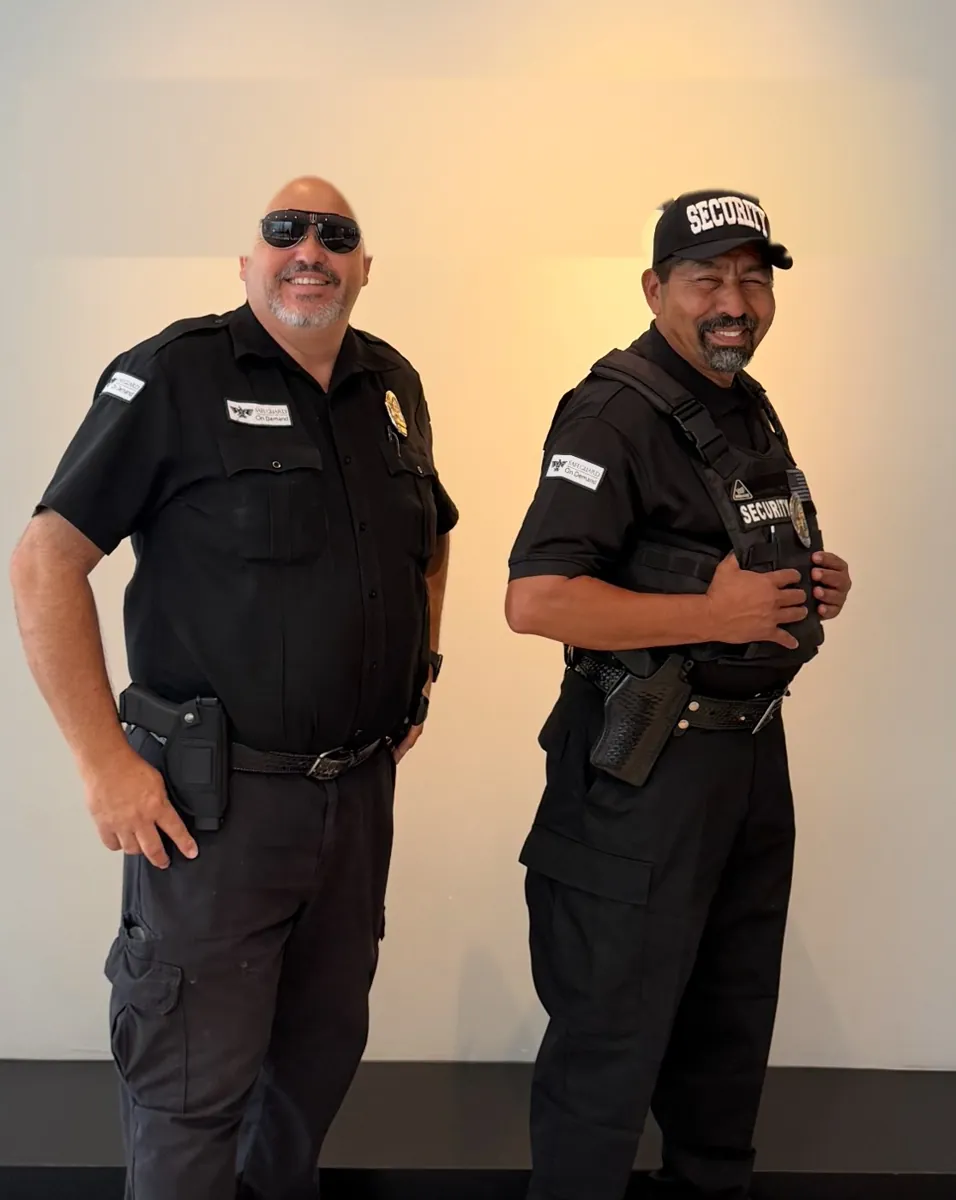
Soft-uniform officers positioned on sight lines, not clustered at the stage — de-escalation first, documented response when it’s more. See event security services.
3. Parking and traffic
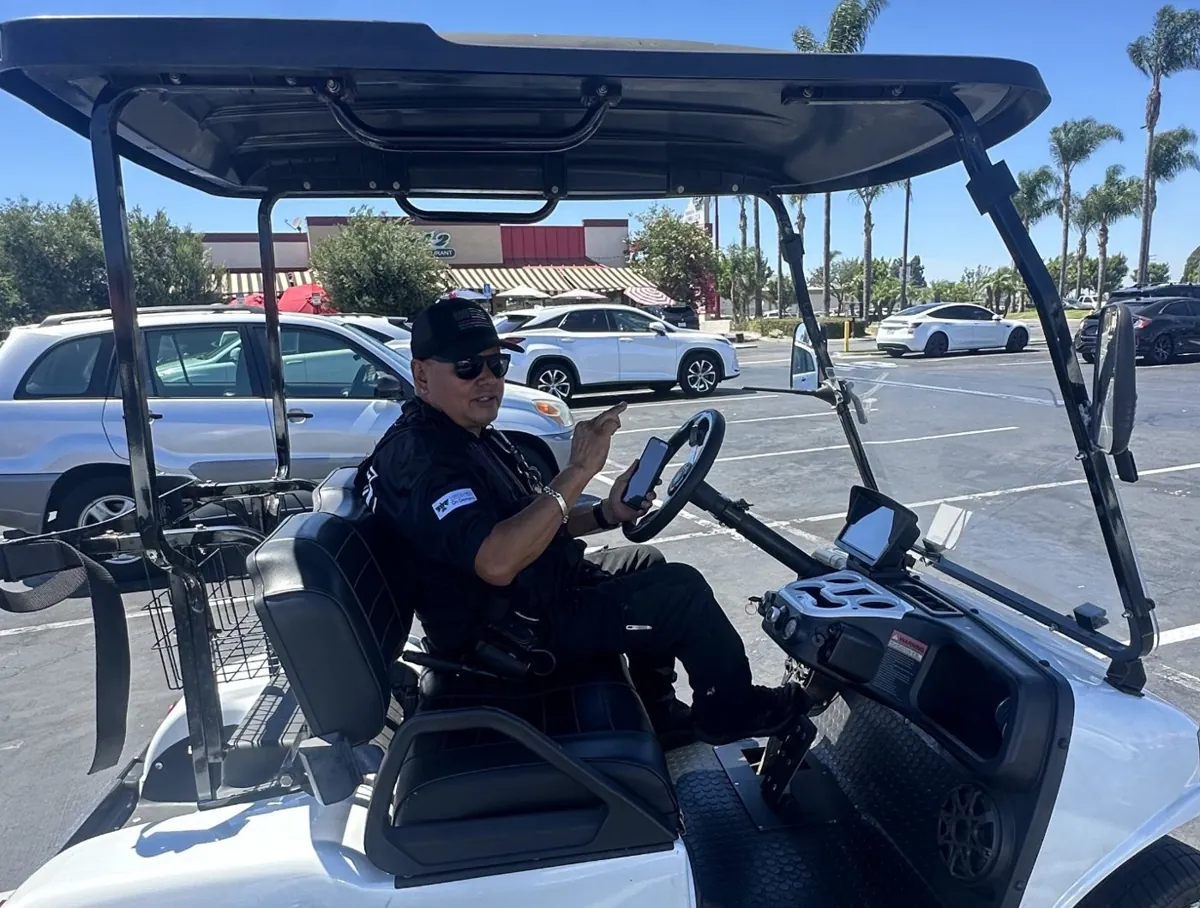
Most injuries and most lawsuits happen in the lot. Flaggers, golf-cart patrol and marked-vehicle presence; we run parking operations as their own post orders, not an afterthought.
4. VIP and artist movement
Licensed executive protection agents for talent, sponsors and owners’ guests — coordinated with venue ops, radios on your net.
5. Overnight asset watch
Staging, production gear and vendor stock sit exposed between show days. Overnight officers with hourly photo logs — the same proof-of-service standard as every Safeguard post — plus solar camera towers on the perimeter.
Permits, insurance, licensing
Cities and venues want a California PPO with certificates in hand before load-in. We hold a California private patrol operator license — verifiable on the BSIS lookup — with COIs issued per event, naming the venue and promoter.
Beyond festival season
The same Corona-based team covers the valley year-round: resort events, HOA patrols in Palm Desert and Cathedral City, retail in Indio and Palm Springs, plus the county’s logistics spine — Perris, Moreno Valley, Eastvale, Corona. County map at the Riverside County hub.
Staffing math: how many officers a valley event actually needs
Coachella Valley event security is priced by the post, so the first job is to count posts honestly. Permit conditions and the venue’s own rules come first; where they are silent, the industry’s planning rules of thumb run from roughly one officer per fifty guests at high-energy events with alcohol to one per hundred or more at seated, low-risk functions, plus the fixed posts (gates, parking, back of house, overnight) that exist regardless of headcount.
| Event | Fixed posts | Crowd posts | Add-ons |
|---|---|---|---|
| Resort buyout, 300 guests | Main gate, pool deck, back of house | 2–3 roving soft-uniform officers | Overnight asset watch for décor and AV |
| Charity gala, 500 guests | Valet and lot, ballroom entry, auction/cash area | 3–5 roving | Executive protection for honorees |
| Outdoor concert, 2,000 | Screening lanes, stage barricade, medical, parking | Ratio-based inside the footprint | Traffic flaggers, overnight stage watch |
| Festival-adjacent party, 5,000 | Multiple ingress points, VIP, vendor village, parking fields | Ratio-based plus response teams | EP for talent, golf-cart patrol, camera towers |
| Golf tournament or polo day | Gates, clubhouse, parking fields | Course rovers on carts | Overnight equipment watch across the grounds |
Coachella Valley event security, step by step: the 90-day timeline
T-90 days: lock the roster and the paperwork
Book the licensed provider, confirm the officer count and post mix in writing, and start the city permit file. Venues and cities in the valley want a California PPO with certificates in hand before load-in; this is the window that decides whether you get experienced festival officers or whoever is left.
T-60: site plan and post orders
Walk the site with venue ops and production: ingress lanes, screening, barricade lines, back-of-house access, medical, parking fields and the overnight footprint. Each post gets written orders, radio channel, escalation path and relief schedule.
T-30: vendor, VIP and traffic plans
Credential tiers, vendor load-in windows, artist and sponsor movement with licensed EP agents, and a parking and traffic plan with flaggers and cart patrol written as its own post order.
T-7: briefing and run-through
Supervisors walk every post, radios are tested on the venue net, heat and wind contingencies are set, and the medical and law-enforcement contacts are confirmed.
Show days and after
Hourly supervisor checks, incident reports written the same shift, overnight officers with photo logs between show days, and a post-event report with incident log, headcounts by post and recommendations for next year.
Heat, wind and the desert factor
Valley events run in conditions that would close a job site elsewhere. California’s outdoor heat illness prevention standard applies to the officers on your event as much as to any outdoor worker — water, shade and rest breaks are part of the staffing plan, and high-heat procedures kick in on the hottest days. For guests, screening lanes need shade and water, medical needs to be reachable from every post, and overnight officers need lighting and warm layers for desert nights. Wind and dust can close stages and parking fields with little notice; the post orders should say who calls it and how the crowd is moved.
What drives the cost of Coachella Valley event security
Officer-hours across all posts is the base; season timing is the multiplier. Bookings made by January get standard rates and the experienced roster; bookings made in March pay rush rates. Specialty posts — executive protection, armed coverage where a risk assessment supports it, overnight asset watch, traffic management — are priced separately. Multi-day events save on supervision and overnight coverage when planned as one engagement. See our guide to what drives security guard cost in California.
Mistakes that turn an event into a claim
- Booking in March for April. The experienced festival roster is gone; what is left is whoever has a guard card.
- Treating parking as an afterthought. Most injuries and most lawsuits happen in the lot.
- Officers clustered at the stage. Crowd management works on sight lines, not at the barricade.
- No overnight watch. Staging and production gear between show days is the easiest theft of the weekend.
- Screening that goes soft when the line gets long. Add lanes and officers; do not drop the checks.
- No heat plan for staff. An officer down with heat illness is both a safety failure and a compliance problem.
Riverside County notes
Coachella Valley event security concentrates in Indio during festival weekends, with resort buyouts and galas in Palm Desert, La Quinta and Palm Springs, and golf and polo events across the valley floor. Each city runs its own special-event permit and wants a security plan, a licensed PPO and insurance certificates naming the city and venue. The same Corona-based team covers Cathedral City year-round and the county’s logistics spine through Perris, Moreno Valley, Eastvale and Corona; the Riverside County hub lists every city we serve. Every officer holds a current BSIS guard card, which you can verify on the Bureau of Security and Investigative Services site.
Coachella Valley event security checklist
- ☐ Provider booked and officer count confirmed by January
- ☐ City permit file opened; security plan and certificates in progress
- ☐ Site walk with venue ops and production completed
- ☐ Written post orders for every post, including parking and overnight
- ☐ Credential tiers and vendor windows set
- ☐ EP plan for talent and sponsors coordinated with venue ops
- ☐ Radios on the venue net; escalation path confirmed
- ☐ Heat, wind and medical contingencies in the post orders
- ☐ Overnight officers and camera towers scheduled between show days
- ☐ Post-event report requested
Coachella Valley event security: frequently asked questions
How far ahead should a venue book?
For festival weekends: 60–90 days for full crews. Off-season events: same week is usually workable.
Armed or unarmed for events?
Unarmed, hospitality-trained officers for crowds; armed posts only where a risk assessment calls for them (cash rooms, high-profile principals). Both run under our PPO.
Do you provide bilingual officers?
Yes — Spanish-speaking officers are standard across our Inland Empire roster.
How far ahead should we book Coachella Valley event security?
Ninety days is the working minimum and January is the practical deadline for spring festival weekends. Early bookings get the experienced festival roster at standard rates; late bookings pay rush rates and take what is left.
Do you handle the city’s security plan and insurance paperwork?
We supply the licensing, insurance certificates naming the city and venue, and the staffing plan the permit asks for, and we attend the pre-event meeting with the city when requested.
Can one provider cover screening, parking, VIP and overnight?
Yes, and it is simpler for the venue: one supervisor chain, one radio plan and one incident log instead of three vendors reconciling stories after the weekend.
Book the season
Call (800) 640-2327 or start at the Riverside County hub. Regional background: our Inland Empire guide.
If you are weighing Coachella Valley event security for a property in California, Safeguard On Demand can walk the site with you and put a written plan in place. Call (800) 640-2327 any time, day or night, or request a free quote online.