
Ventura County farm security: the short version
Ventura County farm security is a question we help California property owners and managers answer every week. The guide below covers what it involves, when it makes sense and how to get it right, with input from our licensed security guard services team — every officer we assign holds a current guard card you can verify with the California Bureau of Security and Investigative Services. Dispatch is live 24/7 at (800) 640-2327.
Quick answer: fuel, copper, tools and idle equipment are what theft crews come for on Ventura County ag operations — and the fix is a layered one: a night-watch officer who actually walks the yard, randomized patrol visits, and camera coverage on the gaps. We dispatch it all from our LA-area branch at 19849 Nordhoff St, Northridge, twenty minutes down the 118.
What gets stolen on west county operations
Packinghouses and growers around Oxnard, Camarillo and Santa Paula lose the same four things every season: diesel siphoned from tractors and reefer units, copper stripped from irrigation pumps and cold-storage electrical, hand and power tools from unlocked shop containers, and occasionally the equipment itself. Crews scout in daylight, hit between 1 and 4 a.m., and come back if nothing changed after the first visit.
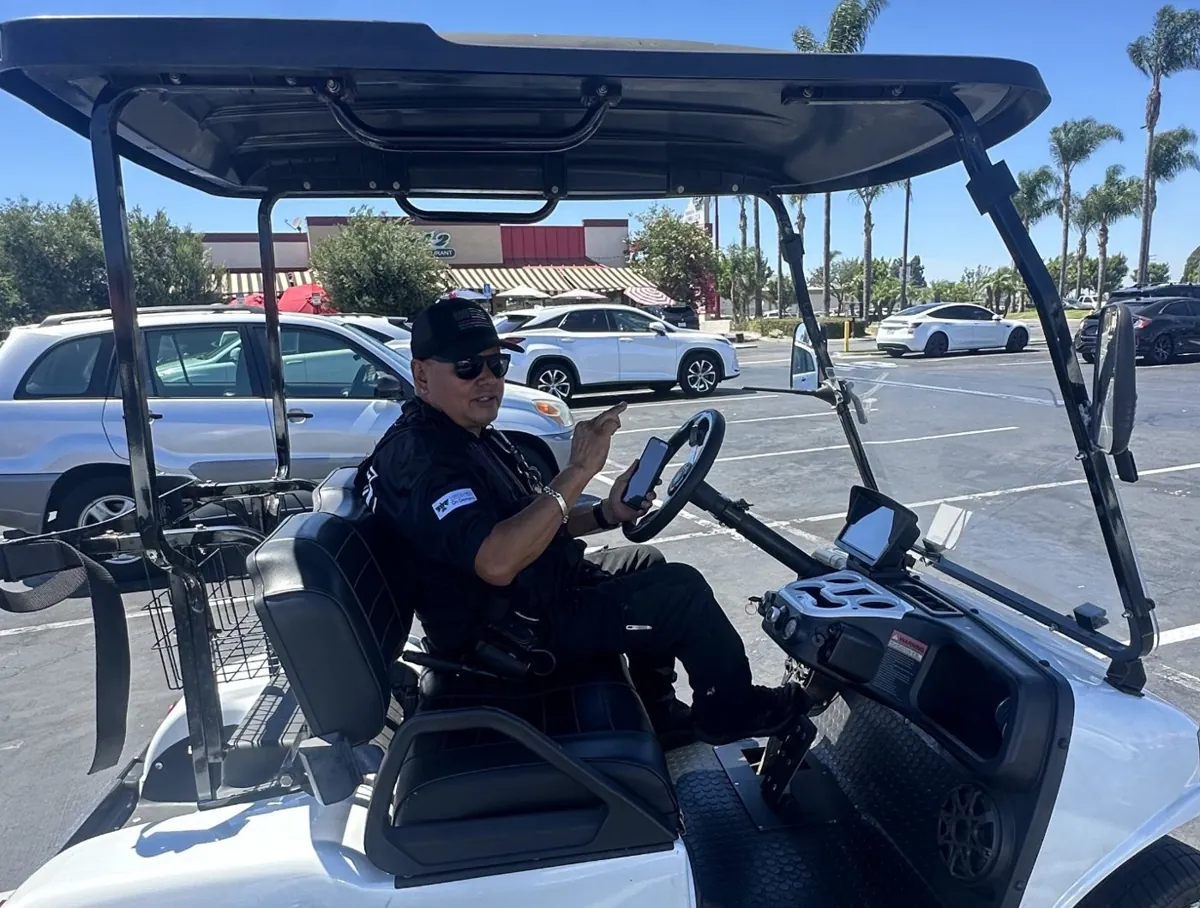
The layered defense that works
Night watch that walks, not sits
A parked guard protects a gate; a walking officer protects a yard. Our ag post orders specify full-perimeter rounds with timestamped photos — pumps, fuel points, container locks, reefer plugs — every hour. See overnight officer services.
Randomized marked-vehicle patrol
For operations that don’t need a dedicated officer, multi-visit vehicle patrol at irregular times breaks the scout-then-strike pattern. GPS-logged visits give you proof, not promises.
Cameras on the gaps
Solar mobile surveillance units cover the back forty where no fence line helps — monitored live overnight, with talk-down speakers that end most visits before a unit rolls.
Seasonal scale-up
Harvest months change the math: more product staged, more strangers on site, more overnight exposure. We add posts and weekend patrols seasonally and stand them down when the pack is done — no long-term contract holding you to July staffing in January.
Fire watch, the other ag risk
Red-flag conditions and hot work trigger fire watch requirements; our certified officers keep the hourly logs your insurer and the fire authority expect.
Where we cover
Oxnard, Camarillo, Ventura, Thousand Oaks, Simi Valley and the farm corridors between — map at the Ventura County hub.

Ventura County farm security: the exposure map
Ventura County farm security changes block by block. The Oxnard Plain’s row crops and packinghouses, the citrus and avocado groves up the Santa Clara River valley, Camarillo’s nurseries and greenhouses and the ranches toward Moorpark each lose different things to different crews. The table is the frame we use on the first site walk.
| Operation | What goes missing | Controls that fit |
|---|---|---|
| Packinghouse and cold storage (Oxnard, Camarillo) | Palletized product off the dock, reefer fuel, copper in electrical rooms | Gate and dock logs, seal checks, reefer-plug rounds, employee-entrance control |
| Row-crop fields and equipment yards | Diesel, tools from containers, GPS units off tractors, small implements | Lit fuel points, locked containers logged nightly, randomized patrol |
| Citrus and avocado groves (Santa Paula, Fillmore, Ojai) | Picked fruit staged in bins, pump copper, ATVs | Patrol on grove roads during harvest, camera towers at pump stations and bin staging |
| Nurseries and greenhouses | Stock plants, irrigation controllers, copper | Perimeter patrol, monitored cameras at the loading area |
| Shops and ranch headquarters | Power tools, welding gear, vehicles | Night watch that walks, access control after hours |
Ventura County farm security, step by step: the first 30 days
Days 1–3: site map and loss review
We drive the fields, yards, pump stations and the packinghouse dock with the ranch or plant manager and mark fuel points, copper, container rows, bin staging and every road in and out. Twelve months of losses go on the same map.
Week 1: harden the cheap things
Lighting on fuel tanks and pump panels, containers locked and numbered, GPS and tool inventories photographed, gates chained with logged keys. These remove the easiest targets before an officer is scheduled.
Week 1–2: gate and dock procedure at the packinghouse
Written gate orders for inbound and outbound loads — driver, carrier, trailer, seal, time, photo — and dock-door logs so a pallet that leaves without paperwork is noticed that shift.
Week 2: night watch, patrol and cameras
A walking night officer where product and equipment justify it, randomized GPS-logged patrol on the outlying blocks, and solar camera units with live monitoring at pump stations and the back forty.
Week 4: review and seasonal plan
Reports are reviewed with the manager, the patrol pattern is re-randomized, and the harvest surge and winter step-down dates are agreed in writing.
Food safety and food defense at the packinghouse
Officers on a food facility work inside the plant’s food-safety rules: visitor logs, restricted zones, hygiene requirements and the plant’s own food-defense procedures. Larger facilities maintain written food-defense plans under federal food-safety rules, and controlled access, visitor custody and dock logs are the parts of those plans a security post actually delivers. Post orders are written with the plant’s quality manager so the security program supports the audit rather than complicating it.
What drives the cost of Ventura County farm security
Acreage and the number of separate yards set patrol time; whether a night officer walks the headquarters and packinghouse sets the officer hours; camera units are priced per unit per month and usually replace standing hours on outlying blocks. Harvest surges add posts and weekend patrol for the season; a written step-down returns the operation to a winter footprint. See our guide to what drives security guard cost in California.
Mistakes that cost growers equipment
- Unlit fuel and pump panels. Diesel and copper are the first targets, and darkness is the invitation.
- Containers that are locked but never checked. A cut lock found on Monday is a weekend of losses.
- Patrol at the same hour. Crews scout in daylight deliveries and return when they know the schedule.
- No gate log at the packinghouse. Product that leaves with paperwork nobody matched is the biggest single loss.
- Cameras nobody watches. A tower with a voice behind it ends probes; one that records documents losses.
- Keeping peak staffing in the off-season. Farm security should contract with the calendar.
Ventura County notes
Ventura County farm security runs from the Oxnard plain and the packinghouses along the 101 through Camarillo‘s nurseries to the groves above Santa Paula and Fillmore, with ranch and equipment exposure toward Thousand Oaks and Simi Valley and coastal operations near Ventura. Red-flag conditions and hot work bring fire watch into the picture every fall. Coverage dispatches from our Los Angeles branch in Northridge, twenty minutes down the 118, with 24/7 dispatch from headquarters; the Ventura County hub lists every city we serve. Every officer holds a current BSIS guard card, which you can verify on the Bureau of Security and Investigative Services site.
Ventura County farm security checklist
- ☐ Site map of fields, yards, pumps, fuel, containers and access roads
- ☐ Twelve-month loss review on the same map
- ☐ Lighting on fuel tanks and pump panels
- ☐ Containers locked, numbered and checked nightly
- ☐ Written gate and dock procedure at the packinghouse
- ☐ Night officer walking headquarters and staging where justified
- ☐ Randomized, GPS-logged patrol on outlying blocks
- ☐ Solar camera units with live monitoring at pump stations
- ☐ Post orders aligned with the plant’s food-safety rules
- ☐ Harvest surge and winter step-down dates agreed in writing
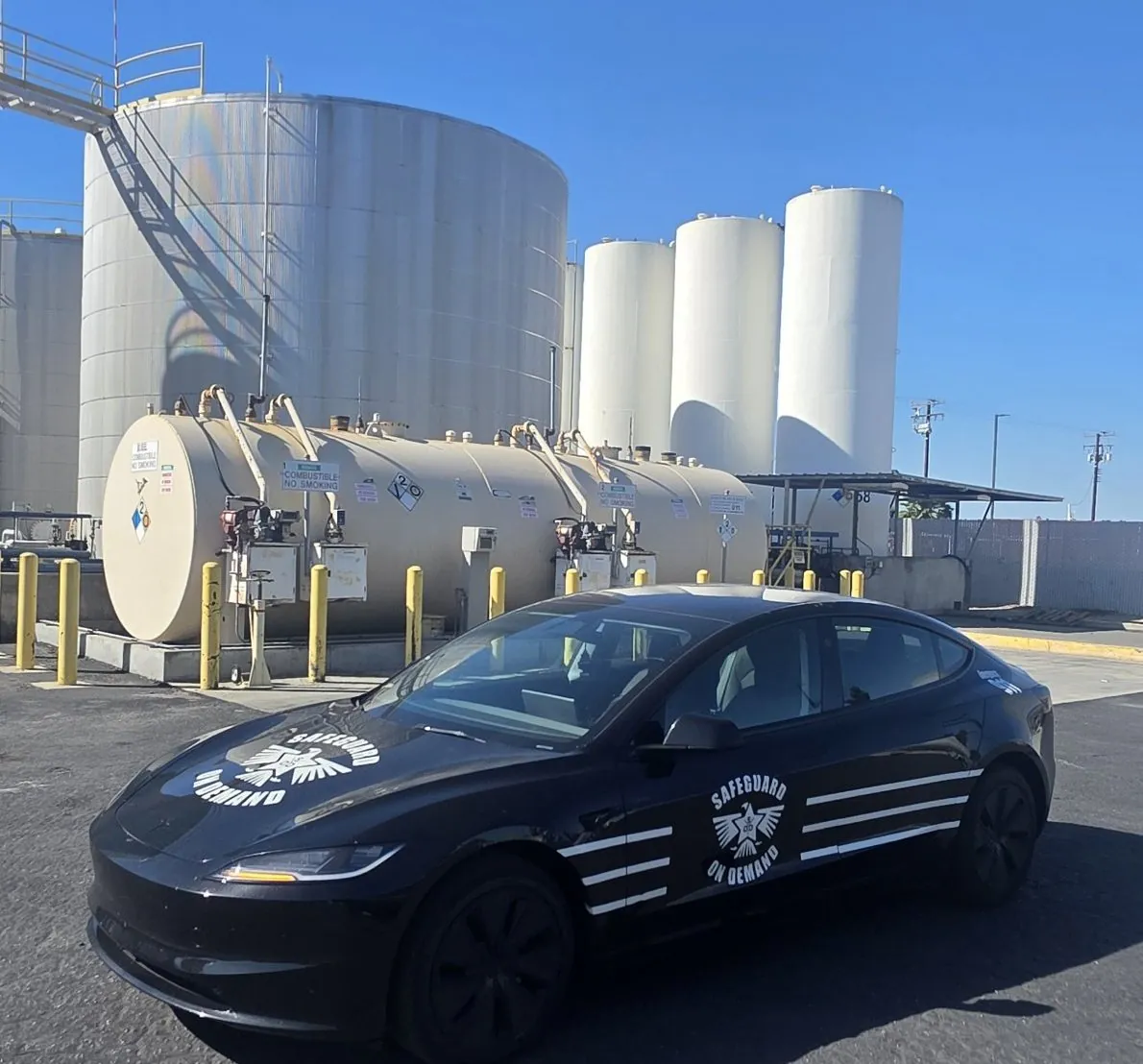
Ventura County farm security: frequently asked questions
Do your officers know ag sites?
Ventura County posts are staffed by officers trained on yard-walk patterns, equipment identification and reefer/fuel checkpoints — and our supervisors cross into the county on every overnight rotation.
Guard or cameras?
Both beat either. Cameras see; officers respond. The free assessment maps which acres need which.
How fast can you start before harvest?
Same day to 48 hours for most posts. Book the assessment before the pack starts, not after the first hit.
Can security officers work inside a packinghouse with food-safety rules?
Yes. Officers follow the plant’s hygiene, visitor and restricted-zone rules, and the post orders are written with the quality manager so access control and visitor logs support the facility’s food-defense plan and audits.
Is a night officer or vehicle patrol better for a farm?
It depends on what is staged. A walking night officer protects headquarters, shops and packed product; randomized vehicle patrol with camera towers covers outlying blocks and pump stations. Most Ventura County operations run both during harvest and patrol only in winter.
How quickly can Ventura County farm security start?
Same day to 48 hours for patrol and camera units across the county, dispatched from our Northridge branch. Standing night posts are usually in place within a week after the site walk.
Protect the season
Call (800) 640-2327 — 24/7 dispatch — or start at the Ventura County security hub.
If you are weighing Ventura County farm security for a property in California, Safeguard On Demand can walk the site with you and put a written plan in place. Call (800) 640-2327 any time, day or night, or request a free quote online.