
Importance of Hospital Security Guards in Emergency Rooms for Safety
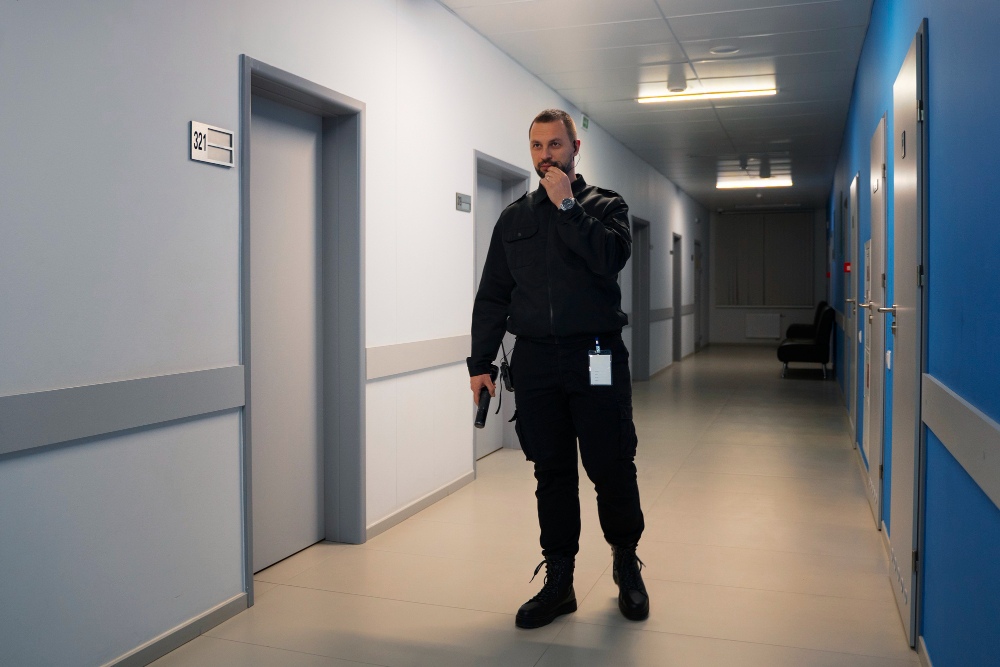
Emergency rooms are high-pressure, high-stakes environments where lives are saved every minute. With this critical nature comes a unique set of risks, making emergency departments one of the most security-sensitive areas in a hospital. From emotionally charged family members to aggressive patients under the influence of drugs or alcohol, hospitals, especially ERs, can experience volatile and potentially dangerous situations. That’s why having professional, reliable hospital security guard services like Safeguard On Demand is not just recommended—it’s essential. In this article, we’ll take a closer look at the importance of hospital security services and why hospitals across California must prioritize ER security. Why Is Emergency Room Security So Important? The emergency department is the first point of contact for patients arriving in critical condition. These patients may be victims of violent crimes, domestic disputes, or mental health episodes. Their situations can create intense emotional responses among patients, family members, and even bystanders. In addition, ERs often serve as public-facing zones where anyone can walk in—making them vulnerable to unpredictable behavior. Some key reasons why emergency room security is so vital include, Managing aggressive behavior: The hospital security guard is trained to de-escalate conflict and handle threats before they reach heights. Controlling high foot traffic: A well-managed flow of people reduces the chance of unauthorized entry, overcrowding, and safety hazards. Protecting medical personnel: With rising workplace violence in healthcare, the ER security guard helps ensure doctors, nurses, and staff can focus on saving lives without fear of physical harm. Responding to threats: Hospital security officers are trained to handle emergencies ranging from active shooters to medical lockdowns and natural disasters. Hospital Security Guard Duties in the ER – How They Help with Emergency Room Security Hospital security officers are responsible for much more than standing guard at the front desk. In emergency rooms, their duties are highly specialized and require situational awareness and medical facility knowledge along with interpersonal skills. Here are the core hospital security guard duties in ERs, Monitoring entrances and exits: Guards screen individuals entering the ER and ensure no unauthorized person accesses restricted areas. Verifying visitor credentials: Patient privacy and safety is critical, especially when patients are involved in legal matters or violent incidents. Patrolling ER surroundings: Constant surveillance deters theft, violence, or disruptive behavior. Responding to code alerts: Hospital security officers assist medical teams during “Code Grey” (combative person), “Code Silver” (active shooter), or “Code Red” (fire) alerts. Assisting medical staff with hostile individuals: Patients under the influence or suffering from psychiatric emergencies may become physically aggressive. Maintaining peace in waiting areas: Family members waiting on news about loved ones can experience high stress and conflict, which ER security guard helps manage calmly. When a hospital ER security guard is trained properly, they blend into the hospital environment while remaining alert and ready to act. Their presence promotes a feeling of safety and order among staff and visitors alike. Security-Sensitive Areas in a Hospital – Which are Prime Locations that Need Hospital Security Guards While emergency rooms demand continuous attention, several other hospital departments also require vigilant security. These include, ICUs (Intensive Care Units): Where patients are in critical condition and only limited visitors are allowed. Labor and delivery units: Due to child abduction risks and the vulnerability of mothers and newborns. Mental health units: Patients in these units may require constant supervision and specialized protocols. Pharmacies and storage rooms: To prevent theft of narcotics and controlled substances. Data centers and medical records rooms: To ensure patient data privacy and HIPAA compliance. That said, the ER security remains most unpredictable due to its dynamic nature, requiring hospital security guards who are both proactive and compassionate. Armed vs. Unarmed Hospital Security Officers Depending on the hospital’s location, size, risk, and specific other factors, decision-makers may consider armed hospital security in addition to unarmed personnel. When to Consider Armed Security? The hospital is located in a high-crime area. There are frequent threats or past incidents involving weapons. The facility handles criminal detainees or forensic patients. The emergency room sees a high volume of aggressive or dangerous individuals. Armed hospital security guards undergo rigorous training in the safe handling of firearms, conflict resolution, and California’s laws regarding the use of force. However, even unarmed guards can effectively manage most incidents when trained in de-escalation, patient interaction, and emergency response. Hospitals often use a hybrid security approach—positioning standing security guard in general areas and deploying armed officers in high-risk zones such as ERs, behavioral health units, or during high-security incidents. This approach is strategic for effective ER security while maintaining a non-intimidating presence in general areas. The Growing Need for Hospital Security Services in California California hospitals face unique security challenges. From urban trauma centers to rural emergency departments, every healthcare facility must be prepared for workplace violence, patient aggression, or large-scale emergencies. In recent years, there has been a noticeable increase in assaults on healthcare workers and unauthorized access to restricted areas. This reality underscores the importance of security services in hospitals, especially when patients and staff are already under tremendous stress. By partnering with a trusted hospital security services provider, California hospitals can ensure, 24/7 security presence for continuous protection Customized security plans based on facility size and risk level Compliance with state and federal healthcare safety regulations Rapid emergency response capabilities in case of violence, fire, or natural disasters Benefits of Partnering with a Professional Hospital Security Guard Services Hiring in-house guards may seem cost-effective, but outsourcing to a dedicated hospital security guard company in California offers far more benefits, Experienced personnel: Trained specifically for healthcare environments Advanced security technology: Integration with CCTV, access control, and alarm systems Scalability: Ability to adjust guard deployment during emergencies or high-risk events Background-checked and licensed guards: Ensuring reliability and professionalism Ongoing training: Officers stay updated with the latest California security laws and healthcare protocols Final Thoughts Emergency rooms are the heart of every hospital—operating 24/7 under intense pressure to save lives. However, safety must be the foundation upon which patient