Remote Video Monitoring
Remote Video Monitoring Services in California
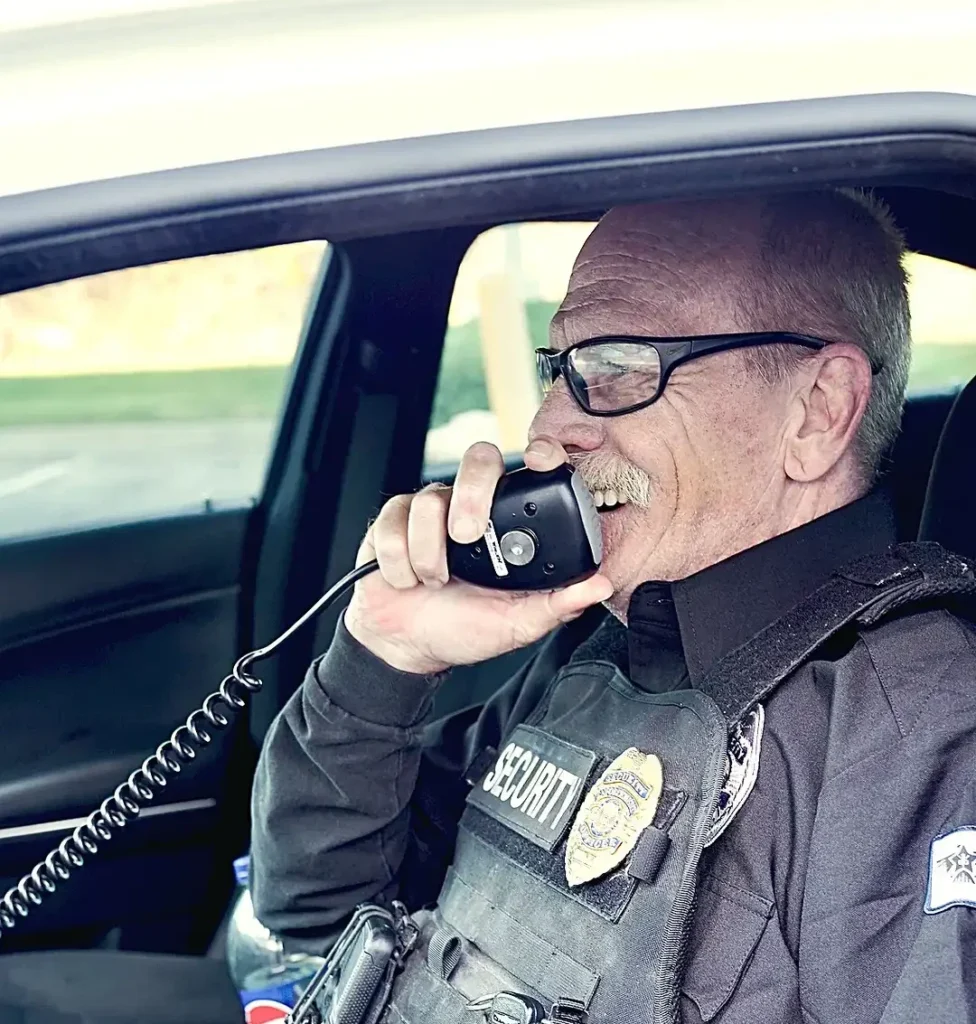
Live operators watch your cameras, verify every alert, speak to intruders through on-site speakers and dispatch a patrol unit or police — so a crime is interrupted, not just recorded.
- Live operators 24/7
- Voice-down deterrence
- Patrol & police dispatch
- Se habla español
Human-verified alerts
A person reviews every alarm — not just an email.
Live voice-down
Intruders hear an operator describe them in real time.
Patrol backup
Our marked units respond when a site visit is needed.
Clip-based reports
Incidents logged with video clips for police and insurers.
Quick answer
What is remote video monitoring?
Remote video monitoring (also called remote guarding or virtual security) connects your cameras to a monitoring center where trained operators watch for activity in real time. When a camera detects a person or vehicle, an operator reviews the live view, warns the intruder through an on-site speaker, and — if they do not leave — dispatches a security patrol or police with a verified description. It costs less than a full-time guard for many sites and covers areas a single guard cannot see.
Key facts
- Live operators verify alerts in real time
- Two-way audio “voice-down” deters most intruders
- Verified alarms help police prioritize response
- Works with many existing camera systems or mobile towers
- Often paired with mobile patrol response
The problem
Recorded video does not stop a break-in
Most cameras only help after the loss. By the time someone reviews the footage, the copper, catalytic converters or inventory are gone.
Nobody is watching
Unmonitored cameras record a crime that nobody sees until the next morning.
Alarm fatigue
Unverified alarms are often deprioritized, so response can be slow or never come.
Guards everywhere are costly
Large or multi-site properties would need several guards to cover every camera angle.
Monitoring options
Remote monitoring built around your site
Use your existing cameras where possible, or deploy mobile surveillance units.
Live event monitoring
Operators respond to motion and analytics alerts during your selected hours.
Mobile surveillance towers
Solar camera trailers for construction sites, lots and vacant property.
Virtual patrols
Scheduled camera tours of entrances, lots and perimeters during the night.
Monitoring + patrol response
When an operator sees a real threat, a marked patrol unit is dispatched to the site.
Our monitoring standards
What every monitored site includes
Monitoring is only as good as the response behind it.
Site-specific response plan
Who to call, when to voice-down, when to dispatch — written before go-live.
Trained operators
Operators trained to describe, document and escalate without guesswork.
Incident documentation
Time-stamped incident logs with video clips available on request.
Regular system checks
Camera health and view checks so blind spots are caught early.
Compare providers
Questions to ask a remote monitoring company
Many “monitoring” services are only automated alerts. Ask these questions.
| Ask the vendor | Safeguard On Demand |
|---|---|
| Is a live person watching during my hours? | Yes. Trained operators review alerts and live views in real time. |
| Can operators talk to intruders? | Yes, through on-site speakers — the voice-down is often enough to make them leave. |
| Who responds on site? | Our patrol units where available, and police when a crime is in progress. |
| Can you use my existing cameras? | In many cases, yes. We review your system during the assessment; if not, we can deploy mobile towers. |
| What do I get after an incident? | An incident report with time stamps and video clips for police or your insurer. |
| Is there a long-term contract? | No long-term contract; coverage and hours can be adjusted. |
Who uses remote monitoring
Sites where live monitoring pays off
Remote monitoring is strongest where property is spread out, open after hours or too large for one guard.
Statewide
Remote video monitoring across California
Served from the office nearest your site, with officers across 13 California counties.
How it works
How remote monitoring gets set up
Most sites go live quickly once cameras are confirmed.
01
Camera assessment
We review camera coverage, lighting, connectivity and speakers.
02
Response plan
Hours, zones, voice-down scripts and escalation contacts in writing.
03
Go-live & testing
Cameras connected and alerts tested with your team.
04
Reports & tuning
Incident reports and regular tuning to cut false alarms.
Guard or cameras?
Remote monitoring vs. an on-site guard
An on-site standing guard is the right choice when you need a person to interact with the public, check IDs, manage deliveries or provide a visible presence during business hours. Remote video monitoring is often the better value after hours, on large open sites, or across multiple locations — operators can watch many cameras at once and dispatch help only when it is needed.
Many clients use both: officers on site during busy hours and monitoring overnight, with mobile patrol as the response. For temporary sites without power or cameras, mobile surveillance units bring solar power, cameras and speakers in one trailer. Our security cost guide compares the options.
California considerations
What California property owners should know
Monitoring works best when the response is clear. Decide in advance who gets called for each type of event, when police should be requested, and how incident video will be shared. Police departments generally treat a verified crime in progress differently from an unverified alarm, which is why live operator review matters.
California has privacy rules that affect cameras, especially audio recording: California Penal Code 632 prohibits recording confidential conversations without consent. Use posted signage, point cameras at areas with no expectation of privacy, and talk to your counsel about audio. Our team will review placement and signage during the assessment.
Where on-site officers are part of the plan, they must hold BSIS Guard Cards and work for a licensed private patrol operator — verify both on the state’s DCA License Search.
Before you go live
- Camera views cover entrances and high-value areas
- Lighting supports night video
- Speakers installed for voice-down
- Escalation contacts confirmed
- Monitoring hours agreed
- Signage posted where required
Budgeting
What affects the cost of remote monitoring
Monitoring is priced to your cameras, hours and response plan.
Number of cameras
How many views operators monitor.
Monitoring hours
Overnight only, weekends, or 24/7.
Existing vs. new equipment
Using your cameras or deploying mobile towers.
Patrol response
Including on-site patrol response when alerts are verified.
Number of sites
Multi-site programs can share monitoring.
Reporting needs
Clip exports and custom reporting.
Remote video monitoring FAQs
For many after-hours and multi-site situations, yes, because one operator can watch many cameras. For sites that need a person to interact with visitors, an on-site guard is still the better choice.
Often yes. We review your system, network and speakers during the assessment and recommend upgrades only if needed.
An operator verifies the live view, issues a voice-down through the speaker, and dispatches our patrol or police if the person does not leave.
Yes. Mobile surveillance units provide solar power, cameras and speakers for sites without infrastructure.
Yes. Incidents are logged with time stamps, and video clips are available for police reports and insurance claims.
Yes. Monitoring is available statewide, with patrol response in the regions we serve.
Industries we protect with remote video monitoring
Available from all six California offices
Coverage spans 14 county hubs — find yours on the service areas map, or call (800) 640-2327 for a free assessment, 24/7.